
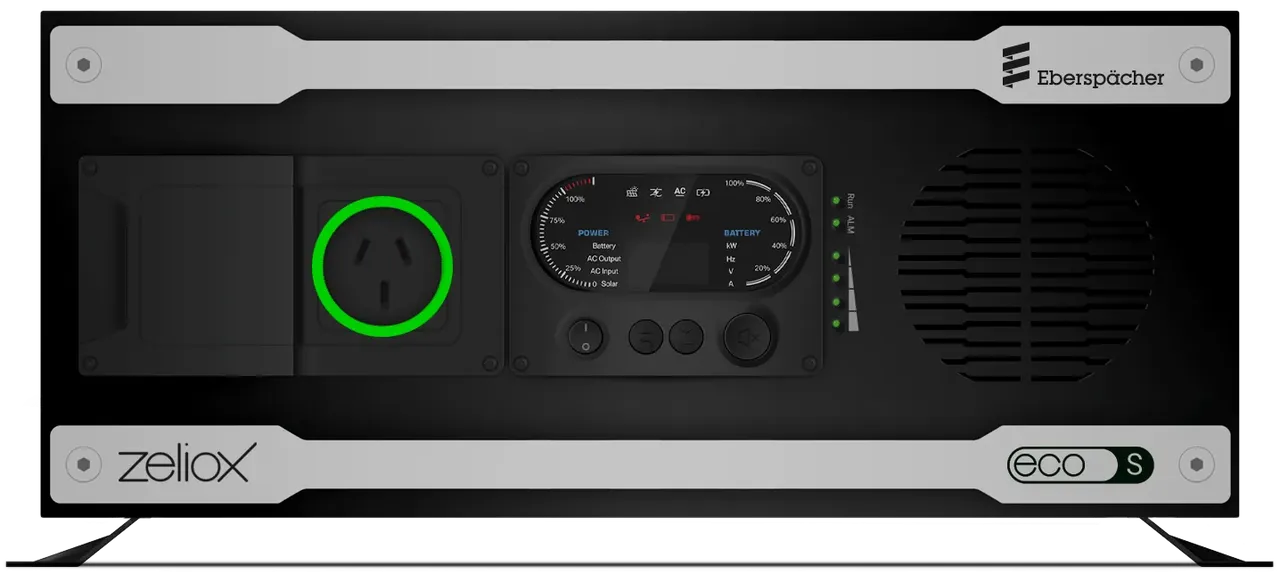
1,000 W · 50 Ah
ECO SLIM
Zeliox ECO SLIM combines battery and inverter functions in a compact vehicle power system.
- Continuous
- 1,000 W
- Capacity
- 0.6 kWh
- RRP
- $3,275
RRP, GST inclusive. Fleet pricing available.
Use four practical questions to find a starting point for the power system that fits your vehicle and equipment.
The result is a shortlist, not a final specification. Check the product specification, installation plan and current availability before you buy.
Our recommendation
1,000 W · 50 Ah
Zeliox ECO SLIM combines battery and inverter functions in a compact vehicle power system.
RRP, GST inclusive. Fleet pricing available.
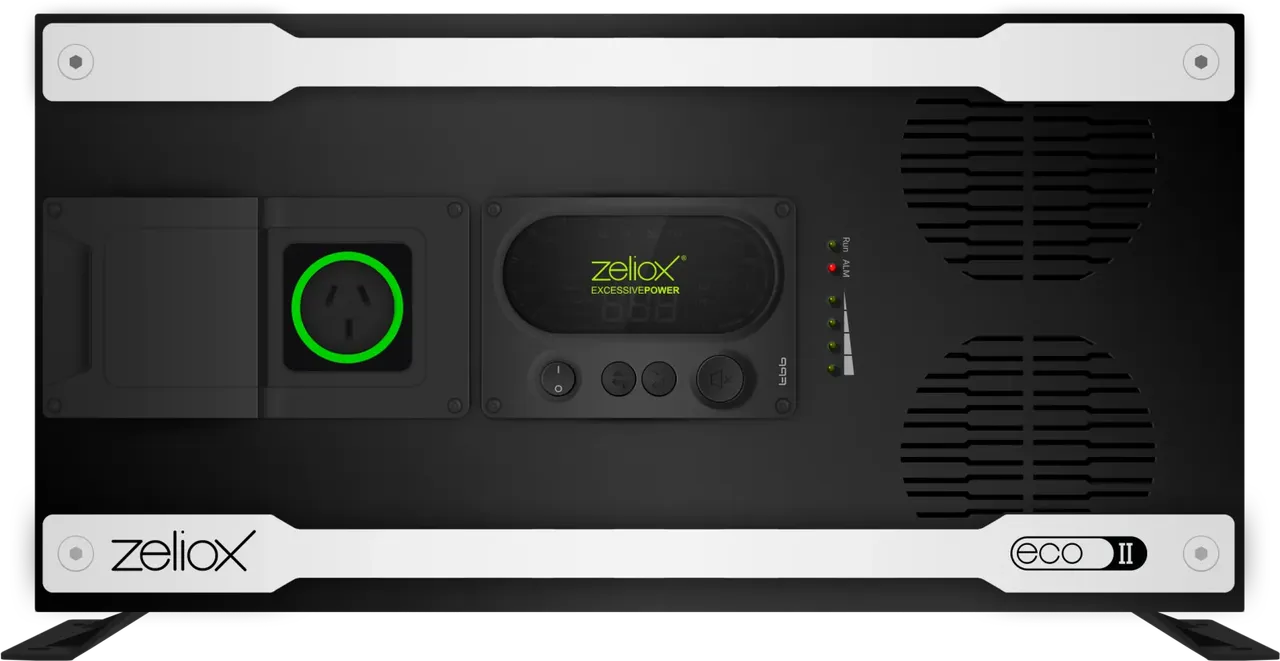
2,000 W · 1.3 kWh
The all-in-one energy system with battery, inverter and safety built in. Match expansion capacity to the vehicle's duty cycle, charging and installation requirements.
RRP, GST inclusive. Fleet pricing available.
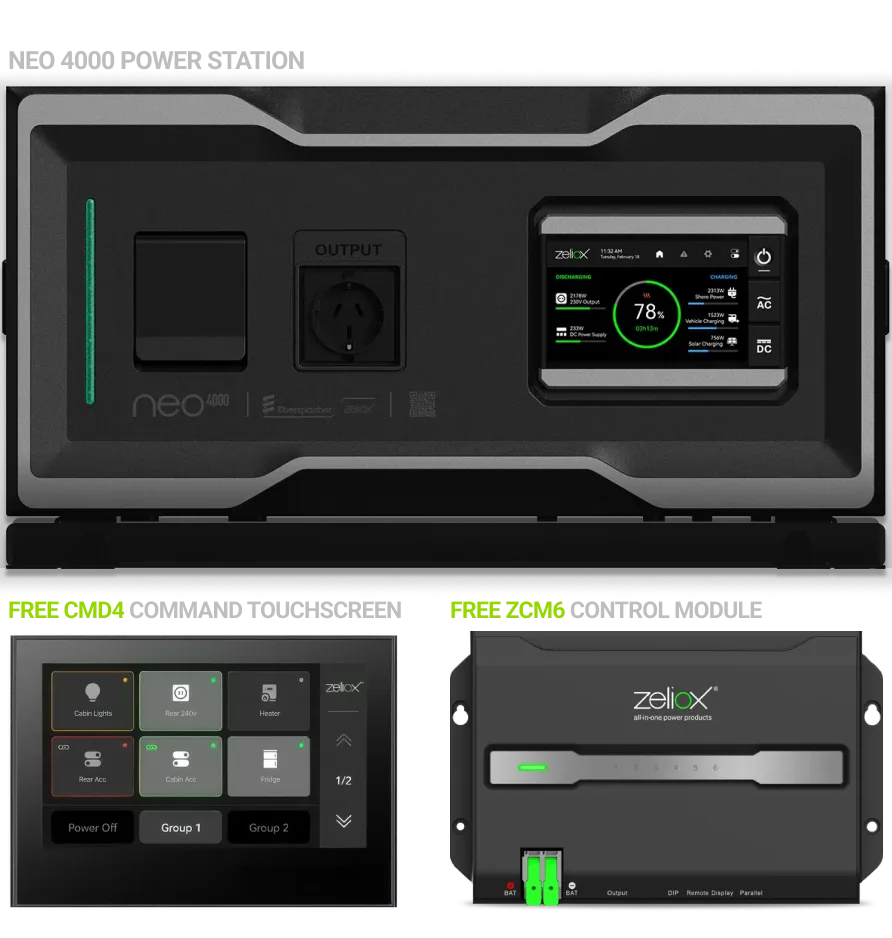
4,000 W • 8 kW Peak
Professional Power. Zero Compromise. The NEO 4000 is more than a battery - it's a mobile power plant. 4,000 W continuous output, expandable to 9.6 kWh, with 4G fleet connectivity. European-engineered for Australian conditions. Available until 18 December, 2026. Act fast!
RRP, GST inclusive. Fleet pricing available.
Worth adding
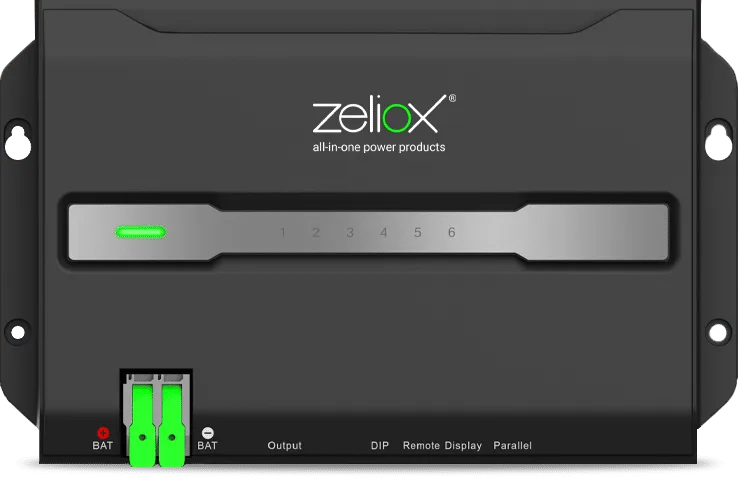
Run and monitor six DC loads without filling the dash with separate switchgear. Configure each channel in the Zeliox app, use RF switch panels at the point of work, and add modules when the vehicle needs more outputs.
About ZCM6 →Every figure below is the published specification for that system.
| Specification | ECO SLIM | ECO II | NEO 4000 |
|---|---|---|---|
| Continuous output | 1,000 W | 2,000 W | 4,000 W |
| Surge / peak | — | 4,000 W | 8,000 W |
| Capacity | 0.6 kWh | 1.3 kWh | 2.4 kWh |
| Expandable to | — | 2.6 kWh | 9.6 kWh |
| Mains (grid) charging | No | Yes | Yes |
| Solar (MPPT) charging | Yes | Yes | Yes |
| Onboard touchscreen | No | No | Yes |
| Remote monitoring (4G + app) | No | No | Yes |
| Heated for sub-zero starts | No | No | Yes |
| Installed weight | 19 kg | 35 kg | 43 kg |
No. It gives you a starting point from four inputs. Confirm the product specifications, installation layout and current availability before buying.
Choose the band that covers what you plan to run at the same time. Check the rating on the equipment or in its manual, and flag any start-up requirement it lists.
No. The selector uses capacity bands rather than publishing a runtime. Actual run time changes with the equipment load and any charging available while you use the vehicle.
Output helps determine what equipment the system can run. Capacity helps determine how long you can work between charging opportunities. The selector checks both.
The selector treats monitoring as a required capability. If you choose remote monitoring, it directs you to the system with that listed capability. Review the full product specifications before making a final choice.
Send the equipment list, what you expect to run together, how long you need power, the vehicle and likely charging options. We can use that to narrow the shortlist before you specify the installation.
Need a second check?
Tell us what you need to run, what runs together, how long you need power and which vehicle it is going into. We will help you narrow the shortlist before you specify the installation.