
Portable power station vs generator: how to choose
Choose a portable power station or generator by checking your loads, runtime, recharge, noise conditions, costs and safe operating requirements.
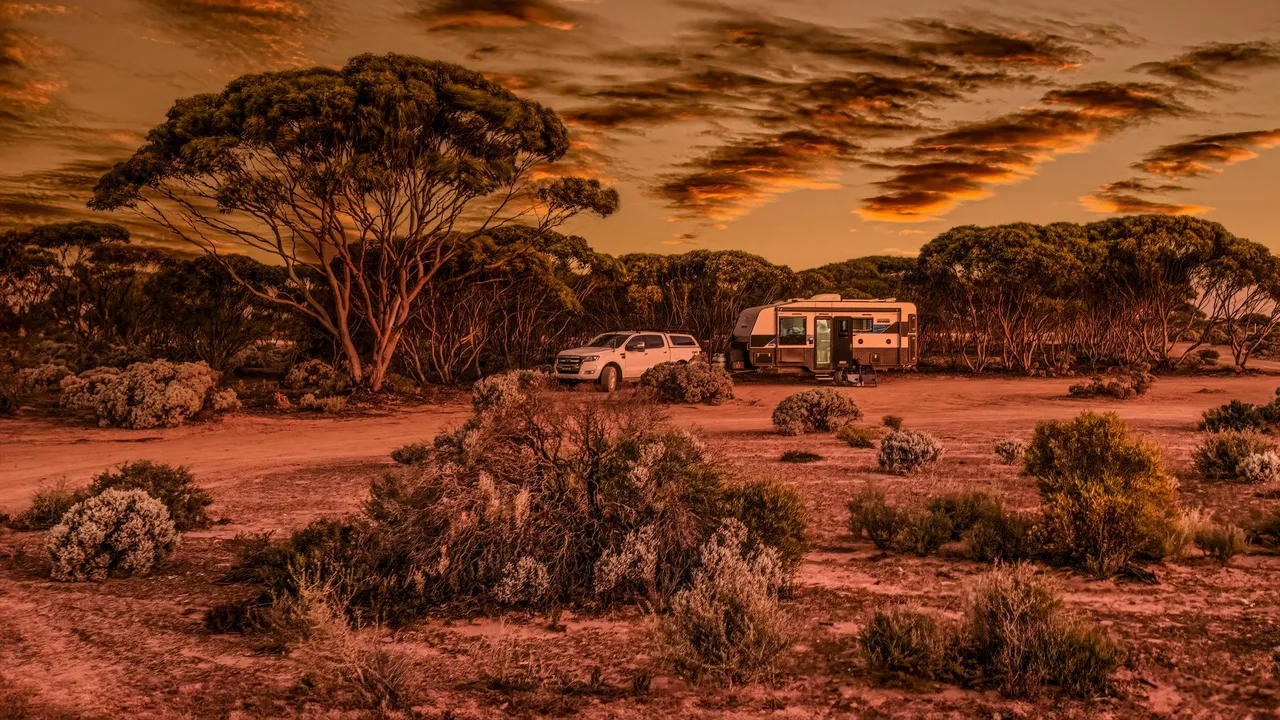
A portable power station and a generator solve different power problems. Start with the equipment you need to run, how long it must run, where it will operate and how you will recharge or refuel. That gives you a better answer than a generic runtime or price comparison.
Start with the job
Write down every load, then mark what runs at the same time. Check each appliance label or manual for its power requirement. Include any start-up requirement the manufacturer lists, not only the running figure.
Next, write down the required operating period and the available recharge or refuelling window. A system that suits a short, occasional load can be the wrong choice for a sustained job with no recharge opportunity.
How the two systems differ
A portable power station stores electrical energy for later use. Battery capacity is stored energy measured in kilowatt-hours (kWh). Its inverter supplies AC power from the stored DC energy.
A fuel-powered generator produces electricity while it has fuel and is operating. That makes fuel availability, refuelling, operating location and the generator's load-specific fuel use part of the decision.
Neither category is automatically better. A high, sustained load with an outdoor operating position can point to a generator. A defined load with a workable recharge plan can point to stored battery power. Confirm the exact product specification before buying.
Compare output, stored energy and runtime
Output and stored energy answer different questions. Output, measured in watts or kilowatts, helps determine what can run at one time. Stored energy, measured in watt-hours or kilowatt-hours, helps determine how long it can run before recharge.
Use this planning calculation as a starting point:
Planning runtime = usable battery energy (Wh) divided by average load (W).
It is a planning estimate, not a product promise. Appliance duty cycle, conversion losses, temperature, charge level and recharge while in use can all change the result. Measure a representative work cycle if runtime matters to the job.
A load that starts intermittently, such as refrigeration or a compressor, needs more than a label reading. Check the manufacturer's information and, where the load is important, measure the energy used over the real duty cycle.
Compare noise and operating conditions
Do not use a category-wide noise figure. Ask for the exact product's sound rating in dB(A), the measurement distance and the load condition used for the test. A sound result at a light load and a long distance does not describe the same job as a fully loaded unit beside a work area.
Check the rules for the site as well. Caravan parks, events, worksites and residential areas can each set their own operating limits. The product manual and the site rule both matter.
Compare cost from your own inputs
A fair running-cost comparison uses the job's actual inputs. For a generator, use the fuel consumption stated for the relevant load, the current local fuel price and the number of operating hours. Add servicing, transport and storage where they apply.
For a power station charged from the grid, use the energy required to recharge, the tariff on the electricity bill and expected charging losses. If charging relies on solar or a vehicle alternator, record the likely recharge window instead of treating recharge as free or guaranteed.
This guide does not publish a generic cost winner. Fuel price, load, charging source and use pattern can move the result substantially.
Safety and installation
NSW Health says portable generators should never be used indoors. They can produce carbon monoxide, a poisonous gas that cannot be seen, tasted or smelled. Follow the generator manual and operate it only as directed in an appropriate outdoor location.
A battery power system does not produce combustion exhaust during normal operation. It still needs the correct product, charging equipment, ventilation where specified, protection from damage and the manufacturer's operating instructions. WorkSafe Queensland notes that lithium-ion batteries can produce flammable gases if there is a fault.
Do not make fixed electrical or vehicle-integration decisions from a comparison guide. If the work involves a fixed battery system, AC wiring or installation in a vehicle or building, confirm the required design and licensing with a suitably qualified installer in your state or territory.
A practical decision guide
A generator may suit a job that needs sustained output for long periods, has a safe outdoor operating position and has a managed fuel plan. Verify its rated output, sound test conditions, load-specific fuel use and required servicing before committing.
A portable power station may suit a defined equipment list, a known operating period and a practical recharge plan. Verify continuous and starting-load limits, usable capacity, charge sources, installation requirements and the product manual before committing.
For property backup, do not assume a portable unit can supply a building's circuits. Backup capability depends on the product, the equipment connected and the way the system is installed. Ask a qualified installer to assess any fixed connection.
Selecting a Zeliox system
Zeliox Australia's current power-product range is ECO SLIM, ECO II and NEO 4000. Use the product pages to compare the listed specifications, then bring your load list, operating period, vehicle or site details and charging options to the conversation.
Compare Zeliox products or contact Zeliox with the equipment list before finalising an installation.
Sources
- Australian Government, Solar Consumer Guide glossary, accessed 9 September 2026. Used for battery, energy, power, capacity and inverter definitions.
- Australian Government, Batteries, accessed 9 September 2026. Used for stored versus usable energy, conversion losses and backup-system qualification.
- Energy Rating, Understand the Energy Rating Label, accessed 9 September 2026. Used for appliance-label and tariff-based planning guidance.
- NSW Health, Carbon monoxide safety, current as at 22 May 2025. Used for portable-generator carbon-monoxide safety guidance.
- WorkSafe Queensland, Battery energy storage systems, accessed 9 September 2026. Used for battery-system fault and installation safety guidance.
- Published Zeliox product records for ECO SLIM, ECO II and NEO 4000, checked 9 September 2026. Used only for current AU product naming.
Frequently asked questions
Can I calculate an exact runtime from battery capacity?
No. The calculation gives a planning estimate. Actual runtime changes with the load, duty cycle, conversion losses, temperature, battery state and charging available while the system is in use.
Can I use a portable generator indoors?
No. NSW Health says portable generators should never be used indoors because they can produce carbon monoxide. Follow the manufacturer instructions and operate a generator only in an appropriate outdoor location.
Is a power station a whole-property backup system?
Not by default. Backup capability depends on the product, the loads, the connection method and the installation. A qualified installer can assess a fixed backup arrangement.
What should I collect before comparing costs?
Collect the equipment list, concurrent loads, required operating hours, the generator's fuel-use figure at the relevant load, local fuel price, electricity tariff and likely recharge window. Then compare the same job, not two unrelated examples.