
A Beginner's Guide to DC-DC Charging
DC-DC charging manages power from a vehicle’s alternator to an auxiliary battery. Here is where it fits, what it does and what to check.
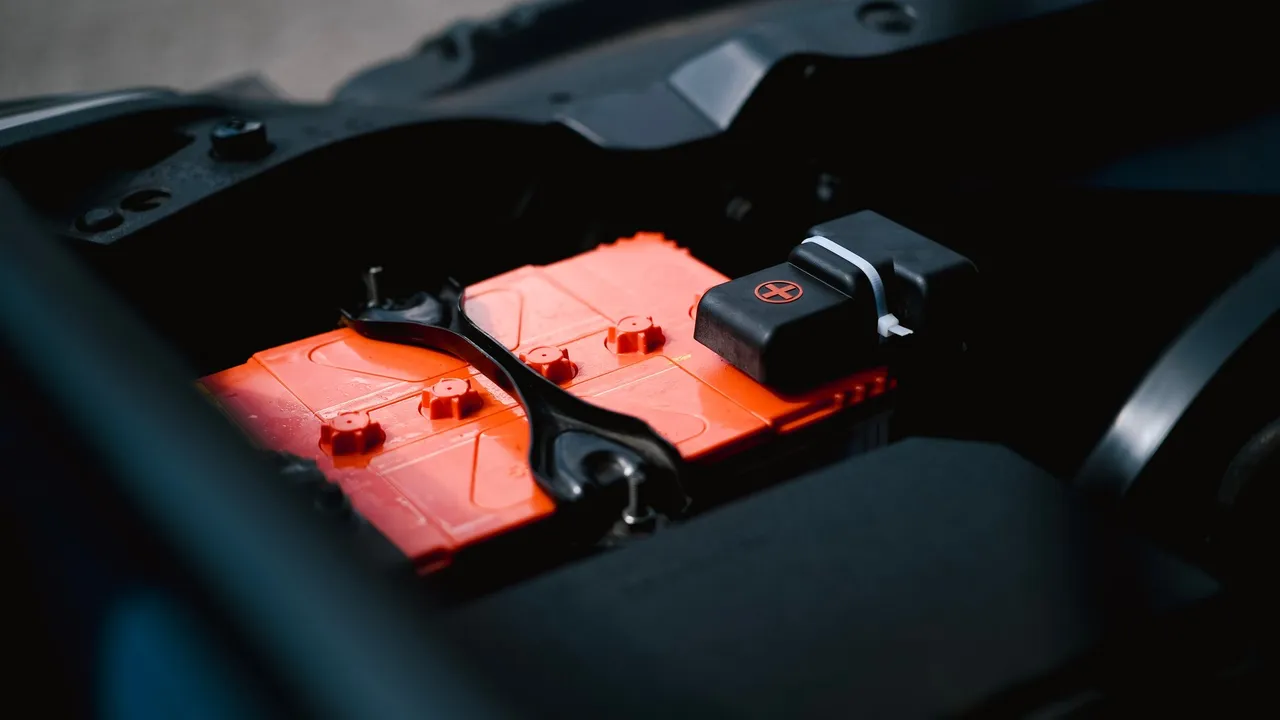
DC-DC charging is a controlled way to charge an auxiliary battery from a vehicle’s electrical system while the engine is running. It is commonly used in vehicles that power equipment separate from the starter battery.
Where it sits in the system
A DC-DC charger sits between the vehicle-side power source and the auxiliary battery. It converts and regulates direct-current power so the auxiliary battery receives a charge process suited to the charger and battery configuration.
What it does
The charger manages voltage and current within its published limits. Depending on the model and configuration, it may support a specific battery chemistry, accept a solar input, or use an ignition signal. Its role is controlled charging; it is not a substitute for sound cable sizing, fusing or battery protection.
Why it is used
Vehicle and auxiliary-battery systems do not all operate the same way. A DC-DC charger gives the installer a controlled interface between them. It is often considered when an auxiliary battery supports a fridge, lighting, communications equipment, tools or other mobile loads.
What it does not do
It does not create energy with the vehicle parked and the engine off. It does not make incompatible components compatible. And it cannot correct an installation that lacks the required cable protection, mounting, ventilation or battery safeguards.
Checks before installation
Confirm the vehicle manufacturer’s guidance, battery chemistry, charger input and output limits, cable runs, fuse protection and any required ignition or battery-sensor connections. Use the equipment manuals as the source of truth. For a vehicle electrical installation, use a qualified installer where required.
The practical question
Ask how much energy the auxiliary equipment uses between drives, then work backwards. A sound system design considers the load, available drive time, recharge methods and safe installation—not only the charger’s headline rating.